
Our curriculum map links and home learning ideas
Religious Education
Please select a year group
Year Three
|
Autumn One – Christianity and Worldviews: Creation: What do Christians learn from the story of the Creation? |
|
|
Overview |
Pupils explore how the Christian belief that God created the world with care and purpose encourages people to take responsibility for the environment and for others. |
|
Career/Mantle and Spirituality |
This connects to purposeful learning and careers by helping children understand that many jobs - such as scientists, farmers, environmentalists, doctors and teachers - can be ways of caring for the world and helping others. Christians believe that God created the world intentionally and lovingly, which inspires them to value and care for all life. A key Bible verse that supports this is Genesis 1:31: “God saw all that he had made, and it was very good.” |
|
Key vocabulary |
|
|
Pupils will be assessed through: |
End of unit assessment task
|
|
Previous skills and knowledge to be revisited |
In Key Stage 1, pupils will have begun to explore basic concepts about God, the natural world, and the idea of creation. They may have heard simplified versions of the Christian Creation story and learned that Christians believe God made the world and everything in it. Pupils are likely to have discussed what makes the world special or beautiful and how they can help look after it |
|
Optional home learning |
Watch: https://www.youtube.com/watch?v=kOrG1Yvv84Q
|
|
Autumn Two – Christianity: Incarnation: What is the Trinity? |
|
|
Overview |
Pupils examine how Christians understand God as Father, Son, and Holy Spirit, each with a unique role but all united in love and purpose. |
|
Career/Mantle and Spirituality |
This idea can inspire purposeful learning by showing how people are also called to live in unity, serve others, and show care in different ways. Pupils begin to see how many careers - such as nurses, carers, teachers, social workers, and community leaders - reflect values like compassion, guidance, and support, similar to the roles within the Trinity. |
|
Key vocabulary |
|
|
Pupils will be assessed through: |
End of unit assessment task where children create a tryptic or a new symbol to represent their understanding of the Trinity. |
|
Previous skills and knowledge to be revisited |
Before studying the Trinity, pupils learned about the Christian Creation story and explored God as Creator. They learned that Christians believe God made the world with care and purpose, and that humans are called to look after it. This understanding of God as Creator links to God the Father and prepares pupils to explore Christian beliefs about the Trinity. |
|
Optional home learning |
|
|
Spring One – Judaism: How do Jewish people celebrate their beliefs at home and in the synagogue? |
|
|
Overview |
Pupils will explore the key beliefs, practices and traditions of Judaism to understand how Jewish people express their faith in everyday life. |
|
Career/Mantle and Spirituality |
Through stories, discussion and creative activities, pupils will reflect on similarities and differences between Judaism and their own experiences, fostering respect and curiosity about diverse beliefs. This learning links to our vision of supporting pupils to be successful, healthy, fulfilled and empowered to make a difference, strengthened by the hope and example of God. |
|
Key vocabulary |
|
|
Pupils will be assessed through: |
End of unit assessment task |
|
Previous skills and knowledge to be revisited |
In the last unit, pupils learned that Christians believe God is Trinity — Father, Son and Holy Spirit. Revisiting this helps them now compare how Judaism understands God differently. This prior knowledge supports pupils in recognising similarities and differences between Christian and Jewish beliefs about God. |
|
Optional home learning |
|
|
Spring Two – Christianity: Salvation: Why do Christians call the day that Jesus died ‘Good Friday’? |
|
|
Overview |
By looking at three different crosses, the children investigate Palm Sunday, Good Friday and Easter Day to gain an understanding of the Easter Story. |
|
Career/Mantle and Spirituality |
In this unit, children become diary writers, taking on the role of eyewitnesses to the key events of Holy Week. They imagine themselves in the crowds on Palm Sunday, at the foot of the cross on Good Friday, and at the empty tomb on Easter Day, describing what they might have seen, heard and felt as these moments unfolded. |
|
Key vocabulary |
|
|
Pupils will be assessed through: |
End of unit assessment task |
|
Previous skills and knowledge to be revisited |
Pupils have previously learned that Christians believe God is Trinity - Father, Son and Holy Spirit - which helped them understand Jesus’ significance as God the Son. They also studied Judaism and learned that Jesus lived and worshipped as a Jew. This prior knowledge helps pupils now explore Holy Week, as they build on what they know about who Jesus is for Christians and the Jewish context in which the events of Holy Week took place. |
|
Optional home learning |
|
|
Summer One – Christianity and Buddhism: How did Jesus and Buddha make people stop and think? |
|
|
Overview |
Pupils explore how Jesus and Buddha used stories, actions and wise teachings to encourage people to stop, think and reflect on how they live. |
|
Career/Mantle and Spirituality |
Through examining parables and traditional Buddhist stories, children learn to recognise deeper meanings about kindness, fairness and making thoughtful choices. This purposeful learning helps them develop empathy, consider how their own actions affect others and understand how inspirational leaders can influence behaviour and values in everyday life. |
|
Key vocabulary |
|
|
Pupils will be assessed through: |
End of unit assessment task |
|
Previous skills and knowledge to be revisited |
Pupils have learned that Christians believe Jesus is God the Son within the Trinity, and that he lived and worshipped as a Jew. They have also explored Holy Week, recognising how Jesus’ actions and teachings challenged people and prompted reflection. This prepares pupils to consider how both Jesus and the Buddha used stories, actions and teachings to make people stop, think and change their behaviour. |
|
Optional home learning |
|
|
Summer Two – Sikhism: What do Sikhi sayings tell us about Sikhi beliefs? |
|
|
Overview |
The purpose of this Sikhism unit is to help students explore key teachings and practices within Sikhism, including the concept of the Khalsa and the 5Ks, and understand how they guide Sikhs in their daily lives. |
|
Career/Mantle and Spirituality |
As part of the unit, students will contribute to the creation of a Class Wisdom Book, where each child will share one important teaching, illustrate it, and reflect on how it can be followed. This collaborative project allows students to showcase their understanding and creativity while reinforcing the core beliefs of Sikhism. |
|
Key vocabulary |
|
|
Pupils will be assessed through: |
End of unit assessment task. |
|
Previous skills and knowledge to be revisited |
Pupils have previously explored how different religions express belief through stories, teachings and symbols, including Christian ideas about the Trinity, Jewish practices and festivals, and how Jesus and the Buddha used sayings to guide people. This helps pupils now consider how Sikh sayings and symbols communicate important Sikh beliefs and values. |
|
Optional home learning |
|
Year Four
|
Autumn One – Hinduism: How and why do Hindu people worship in the home and in the Mandir? |
|
|
Overview |
Pupils examine how and why Hindu people worship both at home and in the Mandir. |
|
Career/Mantle and Spirituality |
As part of their Hinduism unit, pupils take on the role of expert textile designers creating fabric inspired by paisley patterns. This cross‑curricular project helps them explore how traditional Indian designs and symbols express Hindu beliefs about life, growth and the divine. By studying these patterns, pupils learn how art and symbolism communicate spiritual ideas within Hindu culture. |
|
Key vocabulary |
|
|
Pupils will be assessed through: |
End of unit assessment task involves a written response to how Hindu people worship how it compares to other religions and ways in which this practice takes place at home and in the mandir. |
|
Previous skills and knowledge to be revisited |
Previously, pupils explored how different religions express belief through stories, teachings and symbols, including Christian, Jewish, Buddhist and Sikh traditions. They learned how sayings, patterns and symbols can communicate values and ideas about God, the world and how people should live. This prepares them to explore Hinduism, where stories, deities, festivals and symbolic designs also express important beliefs and ways of life. |
|
Optional home learning |
|
|
Autumn Two – Christianity: Why is the Bible important to Christians? |
|
|
Overview |
Pupils explore key features of the Bible, including its structure, different types of writing and why it is important to Christians. |
|
Career/Mantle and Spirituality |
Pupils take on the role of librarians setting up a special area in the library called Why the Bible is Important to Christians. This purposeful role helps them explore how Christian beliefs influence people’s lives while organising information, choosing helpful resources and explaining ideas clearly. Working as librarians encourages teamwork, careful thinking and respectful understanding of different beliefs. |
|
Key vocabulary |
|
|
Pupils will be assessed through: |
End of unit assessment task |
|
Previous skills and knowledge to be revisited |
Pupils have previously explored how different religions use stories, teachings and symbols to express belief, including Christian ideas about Jesus, Holy Week and the Trinity. They have also learned how Hindu stories, deities and traditional patterns express key beliefs about God and life. This prior knowledge helps pupils now revisit how Christians use the Bible, building on their understanding of how holy books and teachings shape faith, values and everyday life. |
|
Optional home learning |
|
|
Spring One – Worldviews: What religions & worldviews are represented in our neighbourhood? |
|
|
Overview |
Pupils explore the diversity of religions and worldviews in the local community, fostering respect and understanding. Pupils learn about key beliefs, practices, and places of worship in different faiths, as well as non-religious worldviews like Humanism. |
|
Career/Mantle and Spirituality |
Pupils are working as town planners deciding what religious and community buildings are needed to best represent the local diverse community. |
|
Key vocabulary |
|
|
Pupils will be assessed through: |
Children create a metaphorical suitcase of ideas and beliefs that people of a worldview represented in this area carry with them through their lives. |
|
Previous skills and knowledge to be revisited |
Pupils have previously learned how Hindu beliefs are expressed through stories, deities, festivals and symbolic patterns, and how Christian beliefs are shaped by the Bible and its teachings. They have also explored why sacred texts and practices matter to believers. This prepares them to investigate the range of worldviews in their local area, helping them compare how different people and communities express belief, values and ways of understanding the world. |
|
Optional home learning |
|
|
Spring Two – Christianity: Salvation: Why do Christians celebrate Holy Week every year? |
|
|
Overview |
This unit explores the key events from Palm Sunday to Easter Sunday and why they matter to Christians today. It also looks at how churches mark Holy Week through worship, symbols and traditions, and how these practices help Christians reflect on their faith each year. |
|
Career/Mantle and Spirituality |
The class become a group of “story keepers” who have been asked to help a local church prepare for Holy Week by exploring the events, symbols and feelings that Christians remember each year. As story keepers, pupils investigate the key moments of Holy Week, from Jesus’ arrival in Jerusalem to the Last Supper, the crucifixion and the hope of the resurrection, thinking about why these stories continue to guide Christians in their faith and choices today. |
|
Key vocabulary |
|
|
Pupils will be assessed through: |
Assessment task where children tell ‘The Story of Holy Week’ and perform the Easter story to parents. |
|
Previous skills and knowledge to be revisited |
Pupils have learned key stories from Jesus’ life and understand the main festivals in the Christian year. They can retell Bible stories, identify their messages and use simple religious vocabulary. They have begun to consider how Christians express their beliefs through worship and can share their own ideas respectfully. |
|
Optional home learning |
|
|
Summer One – Worldviews: Marriage |
|
|
Overview |
Pupils explore marriage traditions around the world investigating how different cultures celebrate and value marriage. Through this learning, they will develop curiosity, respect for diversity and an understanding of how traditions reflect beliefs and values. |
|
Career/Mantle and Spirituality |
Pupils become part of a lively “Global Celebration Team” tasked with helping a world travel TV show discover amazing marriage traditions from different cultures. As they investigate colourful ceremonies, unique rituals‑ and joyful celebrations, they develop curiosity, respect for diversity and an understanding of how these traditions express the beliefs and values of the communities who treasure them. |
|
Key vocabulary |
|
|
Pupils will be assessed through: |
Pupils will revisit their prior learning about different worldviews and how people make sense of life, alongside their understanding of salvation and key teachings from the Bible. They will also draw on their knowledge of Hindu beliefs and practices. This foundation will help them explore how marriage is understood as a significant commitment within Christianity and other traditions. |
|
Previous skills and knowledge to be revisited |
Pupils will revisit their earlier learning about different worldviews and how these shape people’s choices and understanding of right and wrong. They will also draw on their knowledge of the Bible, including key stories that show God’s relationship with people. In addition, they will build on their understanding of Hindu beliefs to compare how different faiths view rescue, hope and new beginnings. |
|
Optional home learning |
|
|
Summer Two – Christianity: The Fall - What do Christians learn from the Creation story and the Fall from God? |
|
|
Overview |
Pupils explore what Christians learn from the Creation story and the Fall in Genesis. They will consider how these stories help Christians understand God as a loving creator, the value and purpose of the world, and humanity’s responsibility to care for it. They will also learn how the Fall explains the presence of wrongdoing and brokenness in the world, and why Christians believe people need guidance, forgiveness and a restored relationship with God. |
|
Career/Mantle and Spirituality |
In this unit, pupils take on the mantle of junior theologians tasked with helping a museum create a new exhibit about the Christian Creation story and the Fall. Their role is to interpret the texts, explore different Christian viewpoints and present clear explanations that will help visitors understand why these stories matter and how they influence Christian living. |
|
Key vocabulary |
|
|
Pupils will be assessed through: |
Children create a flier for the museum exhibition |
|
Previous skills and knowledge to be revisited |
Pupils will build on their previous learning about different worldviews and their understanding of how Christians use the Bible for guidance. They will draw on their work from the Salvation unit, where they explored how Christians believe God helps people when they make wrong choices, and recall learning from Hinduism about how different faiths explain the world and human behaviour. These foundations will support them as they begin to explore what Christians learn from the Creation story and the Fall. |
|
Optional home learning |
|
Year FIve
|
Autumn One – Worldviews: What inner forces affect how we think and behave? |
|
|
Overview |
Pupils will reflect on concepts such as conscience, values, beliefs and emotions, and consider how these influence decision-making and behaviour. Pupils will examine examples from Christianity, Islam, Hinduism and Humanism, exploring how teachings, stories and practices guide people in their daily lives. |
|
Career/Mantle and Spirituality |
They will explore how people from different worldviews are guided by inner values, beliefs and teachings, and reflect on their own experiences of making choices and facing challenges. Pupils will be encouraged to think about how they can live with integrity, kindness and self-awareness. |
|
Key vocabulary |
|
|
Pupils will be assessed through: |
End of unit assessment. |
|
Previous skills and knowledge to be revisited |
In previous RE units, pupils have explored how beliefs influence identity, belonging and community. They have learned about key teachings and practices in Christianity, Islam, Hinduism and Humanism, and considered how people express their faith through festivals, symbols and daily life. These experiences have helped pupils understand that worldviews shape how people see the world and make decisions. |
|
Optional home learning |
|
|
Autumn Two – Christianity: Incarnation: Was Jesus the Messiah? |
|
|
Overview |
Pupils will investigate the concept of the Messiah in the context of Jewish expectations and how Christians believe Jesus fulfilled these. Pupils will explore biblical texts, stories and symbols that express messianic hope and reflect on how these beliefs influence Christian understanding of salvation, hope and purpose. Through discussion, reflection and creative responses, pupils will be encouraged to think critically about different interpretations and what it means to be a leader or saviour. |
|
Career/Mantle and Spirituality |
They will consider how people find meaning in stories of rescue, leadership and sacrifice, and how these shape personal and collective identity. Pupils will be encouraged to think about their own values and who or what inspires them to live with compassion and courage. |
|
Key vocabulary |
|
|
Pupils will be assessed through: |
End of unit assessment |
|
Previous skills and knowledge to be revisited |
Pupils will revisit their earlier learning about Christian beliefs, including their understanding from Salvation units in years 3 and 4 of why Christians think people need rescuing and forgiveness. They will draw on their knowledge of how Christians use the Bible to understand God’s actions and recall examples from previous units such as the Creation story or their study of Hinduism, where they explored how different faiths await or recognise divine help. |
|
Optional home learning |
|
|
Spring One – Christianity: How do Christian people try to follow Jesus’s example? |
|
|
Overview |
Pupils learn how Christians try to follow Jesus’ example by showing kindness, fairness and care for others. They explore how these values guide everyday choices and help people contribute positively to their communities. This learning encourages pupils to think about the qualities they want to develop for their own futures and how they can use their talents to make a difference in the world. |
|
Career/Mantle and Spirituality |
As pupils explore how Christians try to follow Jesus’ example, they reflect on their own values and what guides their choices. Christians believe Jesus shows a loving and compassionate way to live, expressed in verses such as “Show me your ways, Lord” (Psalm 25:4). Thinking about this helps pupils consider how people of faith seek meaning and direction, and recognise the moments that make them feel inspired, peaceful or connected. |
|
Key vocabulary |
|
|
Pupils will be assessed through: |
End of unit assessment |
|
Previous skills and knowledge to be revisited |
Pupils will revisit their understanding of how Christians use the Bible for guidance, building on previous learning from units such as Creation, Salvation and Incarnation. They will draw on their knowledge of how Christian beliefs influence choices, for example when they explored why Christians think God brings freedom and justice. They will also return to skills developed when comparing Christian ideas with those from other worldviews, helping them recognise how beliefs shape behaviour and decision‑making. |
|
Optional home learning |
|
|
Spring Two – Christianity: People of God: Can following God bring freedom and justice? |
|
|
Overview |
Pupils explore whether following God can bring freedom and justice. They learn how ideas such as fairness, responsibility and standing up for what is right link to real‑life roles that help others. Through the story of Moses and the Exodus, pupils see why Christians care about justice and how this can inspire people to work in jobs like law, social care, community leadership or charity work. The unit helps pupils think about the values they want to develop and how they can make a positive difference in their own communities. |
|
Career/Mantle and Spirituality |
In this unit, pupils explore whether following God can bring freedom and justice, using the story of Moses and the Israelites as a key example. They learn how Christians find hope and strength in believing that God guides and supports people facing difficulty, reflected in verses such as “The Lord is my strength and my refuge” (Exodus 15:2). |
|
Key vocabulary |
|
|
Pupils will be assessed through: |
End of unit assessment |
|
Previous skills and knowledge to be revisited |
Children come into this unit already able to recognise ideas about fairness, kindness and helping others. They have experience hearing Bible stories that show how Christians believe God guides people, and they can talk about promises, choices and the importance of caring for others. They also bring an understanding that some leaders in stories, like Moses, help people find freedom and safety, which supports their learning about freedom and justice in this unit. |
|
Optional home learning |
|
|
Summer One – Islam: Why is Muhammad and the Qur’an important to Muslim people? |
|
|
Overview |
Children will explore the significance of the Prophet Muhammad (peace be upon him) and the Qur’an in the lives of Muslim people. They will learn about the key events in Muhammad’s life, how he received the message of the Qur’an, and why he is considered the final prophet in Islam. Pupils will investigate how the teachings of the Qur’an influence Muslim beliefs, worship, and daily life. |
|
Career/Mantle and Spirituality |
Pupils will take on the role of museum curators creating an exhibit on Islam for a community exhibition. This links to careers such as historians, religious scholars, educators, and curators, helping children see the real-world relevance of religious understanding. Through this learning, they will build empathy, respect for different beliefs, and an appreciation for shared human values. |
|
Key vocabulary |
|
|
Pupils will be assessed through: |
End of unit assessment |
|
Previous skills and knowledge to be revisited |
Before this unit, children learned that everyone has a worldview shaped by their beliefs and values. They were introduced to the Five Pillars of Islam and how these guide Muslim life. Throughout the year, they studied Christianity, including Jesus’ teachings, Christian festivals, worship and the Bible. This unit builds on their earlier learning about Islam, helping them compare the two faiths and deepen their respect for sacred texts and religious leaders. |
|
Optional home learning |
|
|
Summer Two – Worldviews: What do religions and worldviews believe about God? |
|
|
Overview |
This unit explores the different ways people understand and talk about God across religions and worldviews. Children learn that some people believe in one God, some believe in many gods, and others do not believe in God at all. They discover that beliefs about God can shape how people live, make choices and treat others. By comparing ideas from different traditions, pupils begin to appreciate that people hold a wide range of thoughtful and meaningful beliefs about the world and our place in it. |
|
Career/Mantle and Spirituality |
Learning about different religions and worldviews helps children understand the diverse beliefs and values held by people in their communities. This understanding builds empathy and communication skills that are useful in any future career. |
|
Key vocabulary |
|
|
Pupils will be assessed through: |
End of unit assessment |
|
Previous skills and knowledge to be revisited |
Children begin this unit already able to talk about what they enjoy, what they are good at and the different jobs they notice in their community. They bring early understanding of skills like teamwork, helping others and problem‑solving, which supports them in exploring how people choose careers and contribute to the wider world. |
|
Vocabulary |
Children begin this unit already able to talk about what they enjoy, what they are good at and the different jobs they notice in their community. They bring early understanding of skills like teamwork, helping others and problem‑solving, which supports them in exploring how people choose careers and contribute to the wider world. |
|
Optional home learning |
|
Year Six
|
Autumn One – Christianity and Worldviews: Creation and Science: conflicting or complimentary? |
|
|
Overview |
Pupils explore how the Christian creation story sits alongside scientific explanations such as the Big Bang and evolution. They consider whether science and faith have to disagree or whether they can offer different but complementary ways of understanding the world. They also learn about Dr Jennifer Wiseman, a Christian astronomer who works on the Hubble Space Program and believes that scientific discovery can strengthen faith. Through discussion and reflection, pupils develop respectful responses to different viewpoints and discover that careers in science and religion can work together to explore life’s big questions. |
|
Career/Mantle and Spirituality |
Pupils reflect on the wonder and complexity of the universe by exploring both the biblical creation story and scientific discoveries. They consider how different worldviews shape ideas about meaning and purpose, and learn from Dr Jennifer Wiseman, a Christian astronomer, who sees science as a way of appreciating God’s creation. The verse “The heavens declare the glory of God” (Psalm 19:1) helps pupils see how faith and science can both inspire awe. Together, these ideas support discussion around the question: Is it possible to have faith and believe in science, and are these ideas conflicting or complementary? |
|
Key vocabulary |
|
|
Pupils will be assessed through: |
End of unit assessment |
|
Previous skills and knowledge to be revisited |
Pupils will revisit skills such as comparing different viewpoints, interpreting religious texts and recognising the difference between literal and metaphorical meanings. They will draw on their ability to discuss big questions respectfully, using evidence and clear reasoning, and continue developing confidence in expressing their own ideas while listening to others. |
|
Optional home learning |
|
|
Autumn Two – Christianity: How do people express their faith through the arts in Christianity? |
|
|
Overview |
Pupils will explore how Christians express their beliefs through a variety of art forms, including music, stained glass, church architecture and religious drama. They will learn how these creative expressions communicate messages of faith, worship and identity across different Christian traditions. Throughout the unit, pupils will analyse real examples, reflect on how these art forms help believers connect with God, and develop their own creative responses to show their understanding of the relationship between faith and the arts. |
|
Career/Mantle and Spirituality |
Pupils will act as creative consultants for Illuminate, a faith-based arts festival celebrating how Christians express their beliefs through music, art, drama and architecture. They will explore how these art forms communicate faith, worship and identity by investigating examples such as hymns, stained glass, church design and religious drama. Pupils will then create their own artistic responses and contribute ideas for the festival, using creativity to explore the relationship between faith and the arts. |
|
Key vocabulary |
|
|
Pupils will be assessed through: |
Pupils will explore how Christians express their beliefs through a variety of art forms, including music, stained glass, church architecture and religious drama. They will learn how these creative expressions communicate messages of faith, worship and identity across different Christian traditions. Throughout the unit, pupils will analyse real examples, reflect on how these art forms help believers connect with God, and develop their own creative responses to show their understanding of the relationship between faith and the arts. |
|
Previous skills and knowledge to be revisited |
Pupils will draw on their existing ability to recognise simple Christian symbols and practices, understand that art and music can communicate ideas, and ask thoughtful questions about belief. They should already be able to express their own views and listen to others respectfully, helping them build on their prior understanding as they explore how Christians use the arts to express faith. |
|
Optional home learning |
|
|
Spring One – Worldviews: What do people believe about life after death? |
|
|
Overview |
Pupils explore beliefs about life after death across different religions and worldviews, developing critical thinking, empathy and an appreciation of diversity. By examining how various traditions understand the afterlife and how these beliefs shape behaviour and society, pupils gain insight into the role of faith in people’s lives. The learning promotes respectful dialogue and cultural sensitivity, helping pupils recognise the value of understanding diverse perspectives in an interconnected world. |
|
Career/Mantle and Spirituality |
Pupils reflect on big questions about life, death and the afterlife, considering their own beliefs and values while exploring a range of religious perspectives. They develop a deeper awareness of how different faiths find hope and meaning, including the Christian belief expressed in John 11:25: “I am the resurrection and the life. The one who believes in me will live.” This learning nurtures wonder, compassion and respect for others’ beliefs, helping pupils grow in empathy as they think about what truly matters in life. |
|
Key vocabulary |
|
|
Pupils will be assessed through: |
End of unit assessment |
|
Previous skills and knowledge to be revisited |
Pupils will build on their existing ability to recognise that different religions and worldviews offer varied beliefs about life, death and what may follow. They should already be able to ask thoughtful questions about belief, show respect for differing viewpoints and explain simple reasons for their own ideas. These foundations help them engage sensitively and thoughtfully as they explore a wider range of perspectives on life after death. |
|
Optional home learning |
|
|
Spring Two – Christianity: Salvation: What difference does the resurrection make to Christians? |
|
|
Overview |
This unit helps pupils understand how the resurrection inspires Christians to live with hope, resilience and a desire to help others. By seeing how the resurrection motivates Christians to act with compassion and purpose, pupils can reflect on how personal beliefs and values shape the choices people make and the contributions they hope to offer in the world. |
|
Career/Mantle and Spirituality |
In this unit, pupils take on the mantle of community wellbeing advisers, exploring how Christian beliefs about the resurrection inspire hope, resilience and compassionate action. They investigate how these values shape real roles such as counsellors, healthcare workers, chaplains and community leaders, all of whom support people through challenging experiences. By linking their learning to these careers, pupils see how beliefs influence choices, guide ethical decisions and motivate individuals to make a positive difference in the lives of others. |
|
Key vocabulary |
|
|
Pupils will be assessed through: |
End of unit assessment |
|
Previous skills and knowledge to be revisited |
Pupils revisit their understanding of key Bible stories, the life and teachings of Jesus, and the Christian belief that Easter is central to faith. They draw on prior skills such as sequencing events, identifying themes, analysing religious texts, and explaining how beliefs influence behaviour. They also return to earlier learning about Christian concepts like sin, forgiveness and hope, using these to deepen their understanding of why the resurrection is important in the Salvation unit. |
|
Optional home learning |
|
|
Summer One – Worldviews: What qualities are important to present day religious leaders? |
|
|
Overview |
This unit teaches pupils how different religions and worldviews, including Christianity, Islam, Judaism and Humanism, build community and express shared values such as kindness, belonging and respect. Through exploring ceremonies, places of worship, ethical teachings and everyday practices, pupils learn how groups support their members and celebrate key life events. |
|
Career/Mantle and Spirituality |
Pupils act as cultural researchers working for an interfaith organisation, investigating the beliefs, practices and values of major religions and Humanism. Their task is to identify shared themes and key differences, using case studies and collaborative enquiry, and then create clear educational materials to help schools and community groups understand how diverse worldviews contribute to a fair and inclusive society. |
|
Key vocabulary |
|
|
Pupils will be assessed through: |
End of unit assessment |
|
Previous skills and knowledge to be revisited |
Pupils will already know that different religions and worldviews exist and that people express their beliefs through actions, symbols and celebrations. They will have some basic understanding of Christianity and Islam, early skills in comparing similarities and differences, and experience discussing ideas respectfully. They will also have practised simple research, responded to images or videos with observations, and explored ideas of community and belonging through prior RE learning. |
|
Optional home learning |
|
|
Summer Two – Worldviews: What similarities and differences do religions and worldviews share? |
|
|
Overview |
This unit explores the key similarities and differences between major religions and worldviews, helping pupils recognise shared values, unique practices and diverse beliefs. Through enquiry and discussion, pupils learn how these perspectives shape people’s lives and how understanding them can support respectful and informed citizenship. |
|
Career/Mantle and Spirituality |
Pupils take on the role of a team of cultural researchers working for an interfaith organisation tasked with promoting understanding and respect among diverse communities. They are commissioned to investigate the beliefs, practices and values of major world religions and non-religious worldviews, identifying both shared themes and unique differences. |
|
Key vocabulary |
|
|
Pupils will be assessed through: |
End of unit assessment |
|
Previous skills and knowledge to be revisited |
In earlier years, pupils have learned to identify key beliefs, practices and symbols across a range of religions and worldviews, developing confidence in asking thoughtful questions and recognising similarities and differences. They have also practised interpreting religious stories and sources, considering how beliefs influence behaviour, and reflecting on their own ideas with increasing respect and empathy for others. |
|
Optional home learning |
|
History
Please select a year group
Year Three
|
Autumn Term and Spring One – Ancient Civilisations including Ancient Egypt |
|
|
Overview |
Pupils explore some of the world's earliest civilisations and find out what made them successful, including farming, settlements and early writing. They study Ancient Egypt in more depth, learning how the River Nile supported life and why pharaohs, pyramids and hieroglyphics remain important today. They compare these civilisations to understand what they had in common and how they influenced later history. |
|
Career/Mantle and Spirituality |
In this mantle, pupils step into the story world of Marcy and the Riddle of the Sphinx, a novel that the children study in English lessons. They work alongside one character Arthur Brownstone to help him solve a series of ancient riddles. Acting as junior archaeologists and historians, they investigate clues from Ancient Egypt, interpret hieroglyphics, explore artefacts and use their knowledge of early civilisations to guide Arthur safely through each challenge. This role gives pupils a purposeful reason to apply their historical understanding while becoming active problem‑solvers within the narrative.
As pupils learn about the beliefs and burial practices of Ancient Egypt, they are encouraged to reflect on how different cultures understand life, death, and the afterlife. Exploring questions such as “What did the Ancient Egyptians believe about the soul?” and “Are we right to open tombs of the dead?” invites children to consider respect, reverence, and the deeper meaning of human life. This connects to Christian values of dignity and the sanctity of life. Pupils are reminded that people across history have searched for purpose and hope beyond this world. Bible verse: This verse helps pupils reflect on why people throughout time — including the Ancient Egyptians — have looked beyond the present life and sought to understand what lies beyond, inspiring awe and wonder in the study of the past. Question: What is meant by Ancient Civilisations, and can we still learn from them today?
|
|
Key vocabulary |
|
|
Pupils will be assessed through: |
Teacher assessment throughout the unit |
|
Previous skills and knowledge to be revisited |
Pupils have already explored simple ideas about the past and can talk about how life today is different from life long ago. They have learned to use timelines, artefacts and pictures to find out about historical events and people, and they can ask and answer basic questions about how we know about the past. Pupils also understand that different places and cultures have their own traditions and stories, giving them a foundation for learning about early civilisations such as Ancient Egypt. |
|
Optional home learning |
|
|
Spring Two and Summer Term – Ancient Greece |
|
|
Overview |
Pupils learn about the Ancient Greek civilisation and discover how its ideas, stories and achievements have influenced the world today. They explore everyday life, city‑states such as Athens and Sparta, and the origins of democracy, as well as famous myths, gods and heroes. Pupils also investigate Greek achievements in areas like art, architecture, philosophy and the Olympic Games, comparing life in Ancient Greece with life now. |
|
Career/Mantle and Spirituality |
Pupils act as historians and storytellers. They investigate clues, interpret artefacts, explore myths and study city‑states. Acting as experts, pupils use their historical knowledge to explain Greek achievements and bring Ancient Greek stories and ideas to life.
Studying Ancient Greece gives pupils the chance to reflect on deep questions about who we are, what we value and how communities can live well together. As they explore ideas about democracy, leadership, creativity and the search for wisdom, children can make links to their own beliefs and to biblical teachings about character and purpose. The verse “Let your light shine before others, that they may see your good deeds and glorify your Father in heaven” (Matthew 5:16) encourages pupils to recognise their gifts and use what they learn to bring hope, goodness and positive change to others. How might the ideas and stories from Ancient Greece inspire you to shine your light in your community?
|
|
Key vocabulary |
|
|
Pupils will be assessed through: |
Teacher assessment throughout unit. |
|
Previous skills and knowledge to be revisited |
Pupils already understand simple timelines and can place historical periods in order, helping them recognise how long ago Ancient Greece existed. They have experience using artefacts, images and stories to find out about the past and can compare aspects of life in different times and places. Pupils also know that civilisations develop their own beliefs, traditions and ways of living, giving them a strong foundation for exploring the ideas, myths and achievements of Ancient Greece. |
|
Optional home learning |
|
Year Four
|
Autumn Term and Spring One – The Stone Age to the Iron Age |
|
|
Overview |
Pupils explore how life in Britain changed from the Stone Age through the Bronze Age and into the Iron Age. They learn about early hunter-gatherers, the development of farming, and how new tools, materials and settlements transformed daily life. By studying homes, technology, beliefs and archaeological evidence, pupils build a picture of how people lived and how these prehistoric periods shaped the beginnings of life in Britain. |
|
Career/Mantle and Spirituality |
In this mantle, pupils become junior archaeologists and museum researchers tasked with uncovering evidence from prehistoric Britain to help a museum design a new exhibition. They investigate artefacts, study excavation notes and piece together clues about how people lived during the Stone Age, Bronze Age and Iron Age. By working like real archaeologists, curators and historians, pupils use their knowledge to interpret findings, explain changes over time and present their discoveries to a modern audience.
In this unit, pupils will be encouraged to reflect on the lives, beliefs and challenges of people from the Stone Age to the Iron Age, considering what gave meaning and purpose to their existence. As they explore burial practices, early art and the development of communities, they will think about how humans have always sought to understand the world around them and their place within it. This offers opportunities to discuss big questions about life, death, identity and belief, encouraging empathy and deeper thinking. Linking to Christian spirituality, pupils can reflect on Ecclesiastes 3:11 – "He has made everything beautiful in its time. He has also set eternity in the human heart" – recognising that the human search for meaning and connection is timeless and shared across history. Question: How are we like those who have come before us, particularly from long, long ago? |
|
Key vocabulary |
|
|
Pupils will be assessed through: |
Teacher assessment throughout unit. |
|
Previous skills and knowledge to be revisited |
Pupils already understand simple timelines and can sequence events in the past, helping them recognise how long ago prehistoric periods took place. They have experience exploring how people lived in different times and places using artefacts, images and stories, and can ask questions about how we know about the past. Pupils also know that homes, tools and ways of life change over time, giving them a strong foundation for understanding how life developed from the Stone Age to the Iron Age. |
|
Optional home learning |
|
|
Spring Two and Summer Term – The Romans in Britain |
|
|
Overview |
Pupils learn how the Roman Empire expanded and why the Romans came to Britain, exploring what life was like before, during and after their arrival. They discover how the Romans changed Britain through new towns, roads, technology, beliefs and ways of living, and consider how these influences can still be seen today. Pupils use evidence from artefacts, buildings and written sources to understand how Roman rule affected different people across Britain. |
|
Career/Mantle and Spirituality |
Pupils take on the role of archaeologists, museum curators and historical researchers as they investigate how the Romans lived and what they left behind in Britain. By studying artefacts, analysing evidence and reconstructing Roman sites, they experience the real‑world work of specialists who uncover the past and help us understand how it has shaped life today.
The Romans in Britain faced many different beliefs and traditions, including the spread of Christianity. Early Christians had to practice their faith in secret, but over time, Christianity grew and became an important part of British history. This reminds us to stand firm in our beliefs, even in challenging times. "Be on your guard; stand firm in the faith; be courageous; be strong." – 1 Corinthians 16:13 Question: How might Roman beliefs about many gods and goddesses have influenced the way people felt about important events in their lives, such as battles, travel or family life? |
|
Key vocabulary |
|
|
Pupils will be assessed through: |
Teacher assessment throughout the unit. |
|
Previous skills and knowledge to be revisited |
Pupils already understand how to use timelines to place historical periods in order and can compare aspects of life in different times and places. They have experience using artefacts, images and simple written sources to ask questions and make inferences about the past. Pupils also recognise that invasions and settlements can cause change, giving them a strong foundation for exploring how the Romans affected life in Britain. |
|
Optional home learning |
|
Year FIve
|
Autumn Term – The Anglo-Saxons |
|
|
Overview |
This unit explores who the Anglo‑Saxons were, why they came to Britain and how their settlement shaped the country. Pupils learn about life in Anglo‑Saxon villages, the role of kings and kingdoms, religion before and after the arrival of Christianity, and key historical figures such as Alfred the Great. They will also investigate archaeological evidence, including the Sutton Hoo burial, to understand how historians learn about the past. By the end of the unit pupils should be able to explain how Anglo‑Saxon culture influenced language, place names and daily life in Britain today. |
|
Career/Mantle and Spirituality |
Pupils explore careers such as archaeologists, historians and museum curators, linking their learning to real jobs. Through Mantle of the Expert, they become a team of museum curators commissioned to prepare an exhibition on Anglo‑Saxon life, investigating artefacts, selecting items to display and creating clear explanations for visitors. This helps pupils understand how evidence is interpreted and shared with the public.
This unit encourages pupils to reflect on identity, belief and change as they explore the lives of the Anglo-Saxons and their transition from paganism to Christianity. Pupils will consider how faith shaped communities, values and daily life, and how people responded to new ideas and traditions. They will be invited to reflect on their own beliefs and the importance of tolerance and understanding. This links to the Bible verse “Let your light shine before others” (Matthew 5:16), encouraging pupils to think about how people express their values and make a positive impact on the world around them. Question: How can individuals and groups have an impact on the world around them?
|
|
Key vocabulary |
|
|
Pupils will be assessed through: |
Teacher assessment throughout the unit. |
|
Previous skills and knowledge to be revisited |
Pupils already understand the basics of chronology, including how timelines work and how dates are placed using both BC/AD and BCE/CE systems. They have experience comparing past and present and using simple historical sources to gather information. From earlier Key Stage 2 learning, pupils know about Roman Britain and the end of Roman rule, which helps them explain why new groups, such as the Anglo‑Saxons, arrived afterwards. They have practised identifying cause and consequence, recognising that events happen for different reasons and lead to different outcomes. This unit builds on their growing ability to ask questions, interpret evidence and explain how and why Britain has changed over time. |
|
Optional home learning |
|
|
Spring Term – The Vikings and Anglo-Saxons |
|
|
Overview |
Pupils explore the arrival of the Vikings in Britain and how their presence brought them into conflict with the Anglo‑Saxon kingdoms. The unit highlights how these interactions shaped England’s political landscape, culture and place names, helping pupils understand the lasting impact of invasion and settlement on Britain’s history. |
|
Career/Mantle and Spirituality |
Pupils link their learning to careers such as archaeologists, historians and museum curators. Through Mantle of the Expert, they act as a team of curators commissioned to create an exhibition explaining how Vikings and Anglo‑Saxons competed for power in Britain. They investigate evidence, choose objects to display and prepare information for visitors, helping them understand how the past is interpreted and shared.
Year 5 will explore how beliefs and values shaped Viking life and how our own perspectives influence the way we judge others. The Vikings had strong ideas about courage, loyalty and fate, which guided their choices and actions. Thinking about these values can help us reflect on what matters most to us today and how we respond to people who seem different.
Question: How do our beliefs and values affect the way we see others and the decisions we make? |
|
Key vocabulary |
|
|
Pupils will be assessed through: |
Teacher assessment throughout the unit. |
|
Previous skills and knowledge to be revisited |
Pupils already have a secure understanding of key chronological ideas, including using timelines and working with BC/AD and BCE/CE. They have studied Roman Britain and the Anglo‑Saxons, giving them a strong foundation for understanding why new groups, such as the Vikings, arrived and how power shifted over time. Pupils bring experience of interpreting historical sources, recognising cause and consequence and explaining how invasion and settlement influence society. This unit builds on these skills as they explore competing kingdoms, territorial change and how evidence helps us reconstruct the past. |
|
Optional home learning |
|
|
Summer Term – Early Islamic Civilisation |
|
|
Overview |
This unit explores the Early Islamic Civilisation, focusing on how Baghdad became a major centre of learning, trade and culture. Pupils learn how scholars at the House of Wisdom made important advances in science, mathematics and medicine, and how ideas were collected, translated and shared across regions. By comparing Baghdad with Anglo‑Saxon England at the same time, pupils develop a wider understanding of global history and cultural exchange. |
|
Career/Mantle and Spirituality |
Pupils link their learning to careers such as historians, archaeologists, researchers and museum curators. They explore how scholars, translators, mathematicians and scientists in Early Islamic Civilisation contributed to knowledge that still influences the world today. These links help pupils understand how studying the past connects to real roles in research, museums, libraries, science and global cultural exchange.
As pupils learn about the achievements of the Islamic Golden Age, they are invited to reflect on the value of knowledge, wisdom and respect for different cultures. This encourages a sense of wonder at the gifts of learning and creativity found across faiths and history. The Bible reminds us in Proverbs 2:6: “For the Lord gives wisdom; from his mouth come knowledge and understanding.” Similarly, the Qur’an teaches in Surah Al-Mujadila 58:11: “Allah will raise those of you who believe and those who have been given knowledge in high degrees.” Together, these verses inspire pupils to appreciate the importance of learning and the spiritual pursuit of truth. Question: How might early Islamic beliefs about knowledge, community and caring for others have influenced the way people lived and worked in cities such as Baghdad?
|
|
Key vocabulary |
|
|
Pupils will be assessed through: |
Teacher assessment throughout the unit. |
|
Previous skills and knowledge to be revisited |
Pupils already have a growing understanding of chronology, including using timelines and both BC/AD and BCE/CE systems. They have studied other civilisations such as Roman Britain and the Anglo‑Saxons, giving them a foundation for comparing cultures from different parts of the world at the same time. They bring experience of using historical sources, asking thoughtful questions and recognising simple cause and consequence. This unit builds on these strengths as they explore the development, learning and global connections of Early Islamic Civilisation. |
|
Optional home learning |
|
Year Six
|
Autumn Term – The Victorians |
|
|
Overview |
This unit explores the Victorians as a period of fast and transformative change in Britain. Pupils learn how new inventions, factories and railways altered work, travel and everyday life, and how cities grew quickly as people moved to find jobs. They also examine social changes, including improvements in education and public health, alongside the challenges faced by many children and families. The unit helps pupils understand how rapid change can shape a society and influence the way we live today. |
|
Career/Mantle and Spirituality |
In this unit, pupils take on the role of historical curators working for an immersive exhibition company called Echoes of the Past. Their mission is to design an engaging experience that brings Victorian Britain to life. They explore key themes such as industrialisation, social reform, education, childhood and empire, using sources and artefacts to understand real people, events and inventions. They also consider how life changed from the early to the late Victorian era. Their final task is to create a virtual or physical exhibition that tells the story of Victorian Britain through the eyes of those who lived at the time.
This unit encourages pupils to reflect on the values, beliefs and social changes that shaped Victorian society. As they explore issues such as poverty, education and reform, pupils will consider how individuals were motivated by faith, conscience and a desire to improve the lives of others. They will be invited to think about justice, compassion and the power of individual action. This links to the Bible verse “Speak up for those who cannot speak for themselves” (Proverbs 31:8), encouraging pupils to reflect on how people in the past - and today - can stand up for fairness and dignity. Question: In what ways can we ‘speak up for those who cannot speak for themselves’? |
|
Key vocabulary |
|
|
Pupils will be assessed through: |
Teacher assessment throughout the unit. |
|
Previous skills and knowledge to be revisited |
Pupils already have a secure understanding of chronology, including using timelines and placing events in BC/AD and BCE/CE. Pupils are confident using historical sources, asking thoughtful questions and recognising cause and consequence. They also understand how technological developments, migration and social conditions can shape people’s lives. This unit builds on these strengths as they examine the rapid changes of Victorian Britain and their lasting impact today |
|
Optional home learning |
|
|
Spring Term – Crime and Punishment |
|
|
Overview |
This unit explores how crime and punishment in Britain have changed over the last 800 years. Pupils compare key periods to see how laws were made, how crimes were dealt with and how justice evolved from medieval ordeals and public punishments to modern policing and courts. They examine what has changed, what has stayed the same and what these developments show about society’s views on fairness, responsibility and human rights. |
|
Career/Mantle and Spirituality |
Pupils take on the role of a specialist team commissioned to design a museum exhibition called Justice Through Time: Crime and Punishment in Britain. Linking to careers such as historians, lawyers, judges, police officers and forensic scientists, they investigate how crime and punishment changed from the Romans to today. Through tasks like curating artefacts, staging trials and creating interactive displays, pupils apply historical enquiry skills while exploring real‑world roles and developing their understanding of fairness and justice across time.
Spirituality in this unit can be explored by considering how beliefs and moral values shaped attitudes towards crime and punishment throughout history. Religious principles often influenced laws and punishments, such as the emphasis on repentance and redemption during 19th-century prison reforms. Pupils can discuss how spiritual beliefs encouraged reforming criminals rather than simply punishing them, reflecting the shift from the harsh penalties of the Bloody Code to more humane treatment. This raises an important question: How do our beliefs about right and wrong influence the way we seek justice today? |
|
Key vocabulary |
|
|
Pupils will be assessed through: |
Teacher assessment throughout the uint |
|
Previous skills and knowledge to be revisited |
Pupils already have a strong grasp of chronology, including placing events on timelines and using BC/AD and BCE/CE. They have studied a range of historical periods, giving them experience comparing how societies change over time. Pupils are confident using sources, asking thoughtful questions and recognising cause and consequence. They also understand how technological, social and political developments can affect people’s lives. This unit builds on these strengths as they explore how ideas about crime, punishment and justice have developed over the last 800 years. |
|
Optional home learning |
|
|
Summer Term – Made in Dagenham (Local History) |
|
|
Overview |
This unit explores how Dagenham has changed over time, focusing on local industry, community and the impact of key events such as the growth of the Ford plant and the 1968 women’s sewing machinists’ strike. Pupils investigate how work, transport and the local landscape have shaped the area, linking this to their geography learning about place, land use and economic change. |
|
Career/Mantle and Spirituality |
Pupils link their learning to careers such as historians, museum curators, community researchers, journalists and industrial designers. Through Mantle of the Expert, they act as a team commissioned to create a local history exhibition titled Made in Dagenham. They investigate maps, photographs and oral histories, choose key events to showcase and design displays that explain how the people of Dagenham have shaped local and national change. This gives purpose to their enquiry and highlights how real careers interpret and share community stories.
In our ‘Made in Dagenham’ unit, pupils are encouraged to reflect on the spiritual values of justice, courage, and community. As they learn about the lives of local people, like the women who stood up for equal pay in 1968, they consider how faith and moral conviction can inspire individuals to seek fairness and dignity for all. Exploring historic sites such as Valence House and Eastbury Manor also invites pupils to think about the passage of time and the legacy we leave behind. A guiding verse for this unit is Micah 6:8: "What does the Lord require of you? To act justly and to love mercy and to walk humbly with your God." This verse helps pupils connect their learning to deeper questions about purpose, responsibility, and how they can make a positive difference in their own communities. Question: How might the experiences, values and community spirit of the people who lived and worked in Dagenham help us understand what gave them a sense of identity and pride in their local area? |
|
Key vocabulary |
|
|
Pupils will be assessed through: |
Teacher assessment throughout the unit |
|
Previous skills and knowledge to be revisited |
Pupils already have a strong understanding of chronology and have explored how different periods of history have shaped people’s lives. They bring experience of using maps, photographs and sources to investigate change over time, supporting links with their geography learning. Pupils are confident comparing past and present and recognising how work, industry and community influence a place. This unit builds on these strengths as they explore how Dagenham has developed and how local people have contributed to wider social change. |
|
Optional home learning |
|
Geography
Please select a year group
Year Three
|
Autumn Term – Countries and Continents |
|
|
Overview |
Pupils explore the world by learning to identify and locate the seven continents and key countries within them. They develop their map skills while discovering how different places vary in climate, culture and physical features. |
|
Career/Mantle and Spirituality |
Children explore the diversity of our planet by learning about different countries, cultures and continents. They discover how geography links to real-world careers such as explorers who investigate new places, cartographers who create maps to help us understand the world and pilots who navigate across continents. Through developing map-reading skills and learning about life around the world, pupils see how geography inspires curiosity and connects to exciting jobs with real-world impact.
We reflect on the beauty, diversity, and wonder of God's creation. Exploring different cultures and environments helps us appreciate the uniqueness of every person and place, encouraging respect, empathy, and a sense of global responsibility. This unit invites children to think about their place in the world and how they can care for it and others. The Bible reminds us: Psalm 24:1, “The Earth is the Lord’s, and everything in it, the world, and all who live in it.” This verse helps us understand that we are all part of one global family, called to look after our planet and live in harmony with others. Question: Why do we have countries and continents?
|
|
Key vocabulary |
|
|
Pupils will be assessed through: |
Teacher assessment throughout the unit. |
|
Previous skills and knowledge to be revisited |
Children may have learned to use simple maps, globes and directional language in Key Stage 1 to describe locations and simple journeys. They may also have explored the UK and its four countries, compared different places and begun identifying basic human and physical features, giving them helpful foundations for this unit. |
|
Optional home learning |
|
|
Spring Term – We Are Geologists! (Volcanoes) |
|
|
Overview |
Children explore volcanic islands by thinking like geologists, volcanologists and problem‑solvers as they investigate rocks, volcanoes and the Earth’s layers while creating and responding to events on their own model island. |
|
Career/Mantle and Spirituality |
Pupils explore real‑world careers by thinking like geologists who study rocks and the Earth’s structure, and volcanologists who investigate how and why volcanoes erupt. As they create and develop their own island, they also take on roles such as cartographers mapping its features and emergency responders planning how to keep people safe during an eruption. Through these roles, pupils see how scientific knowledge and problem‑solving skills connect to important and exciting jobs.
Children reflect on the awe and wonder of God’s creation, exploring the power and beauty of the natural world through the study of volcanic islands. They are encouraged to think about how the Earth’s layers and processes reveal the complexity of God’s design. When facing challenges, such as an erupting volcano on their island, children learn about resilience, teamwork, and caring for the world and one another. The verse "The Earth is the Lord’s, and everything in it, the world, and all who live in it" (Psalm 24:1) reminds them to appreciate and protect the world around them as stewards of God’s creation. Question: How might the dramatic changes caused by volcanoes help us think about how people find strength, hope and meaning when the world around them suddenly changes? |
|
Key vocabulary |
|
|
Pupils will be assessed through: |
Teacher assessment throughout the unit. |
|
Previous skills and knowledge to be revisited |
Pupils have already explored simple map work, used basic directional language and learned about different places in the UK. They have also begun to identify human and physical features, giving them useful foundations for understanding rocks, volcanoes and the Earth’s structure in this unit. |
|
Optional home learning |
|
|
Summer Term – Coasts |
|
|
Overview |
Children explore what coasts are, how they are formed and how they change over time through natural processes. They investigate coastal features, learn how waves shape the shoreline and understand why coasts are important places for people, wildlife and the environment. |
|
Career/Mantle and Spirituality |
Children take on the role of relocation advisers helping a family who are considering moving from London to Walton‑on‑the‑Naze. They explore coastal features, erosion, land use and local attractions so they can explain how life by the sea might suit each family member, from safe places for children to play to peaceful spaces for adults to relax or work. Through this purposeful role, pupils learn how geography helps people make real decisions about where to live and why places change over time.
In exploring the geography of the coast, pupils are encouraged to reflect on the awe and wonder of the natural world, recognising the beauty and power of the sea and the delicate balance of coastal environments. This sense of awe can inspire spiritual development, prompting children to consider their responsibility as stewards of God’s creation. Through discussions on caring for the coastline and respecting nature, pupils connect their learning to Christian values such as thankfulness, respect, and care for others and the world around them. A key verse to support this reflection is “The earth is the Lord’s, and everything in it, the world, and all who live in it” (Psalm 24:1), reminding us that the coast and all creation are gifts to be valued and protected.
Question: How might the changing shapes of coastlines help us think about how people adapt to living in places that are constantly shaped by nature? |
|
Key vocabulary |
|
|
Pupils will be assessed through: |
Teacher assessment throughout the unit. |
|
Previous skills and knowledge to be revisited |
Pupils have already learned to use simple maps, identify human and physical features and compare different places in the UK. They have also begun to understand bodies of water, weather patterns and how landscapes can change, giving them helpful foundations for learning about coastal environments in this unit. |
|
Optional home learning |
|
Year Four
|
Autumn Term – Investigating India |
|
|
Overview |
Children explore the diverse physical and human geography of India, learning about its landscapes, climate, culture and major cities. They compare life in India with the UK, developing their understanding of how places can be both unique and interconnected. |
|
Career/Mantle and Spirituality |
Children take on the role of cultural designers who use their growing understanding of India’s geography, traditions and Hindu beliefs to inspire creative work. Drawing on what they learn in art about paisley patterns and in RE about Hindu symbolism, they design a piece of fabric and create a print that could be worn on India Day. Through this purposeful role, pupils see how cultural knowledge, artistic skills and geographical understanding come together in real design careers. |
|
Key vocabulary |
|
|
Pupils will be assessed through: |
Teacher assessment throughout the unit. |
|
Previous skills and knowledge to be revisited |
Pupils have learned about continents and countries in Year 3, developing their understanding of how places fit within the wider world. They have also used maps, atlases and basic geographical vocabulary to compare different regions, giving them a strong foundation for investigating India’s location, climate and physical and human features in this unit. |
|
Optional home learning |
|
|
Spring Term – Our European Friends (Scaninavia) |
|
|
Overview |
Children explore the countries of Scandinavia, learning about their locations, climates and distinctive physical and human features. They compare life in Norway, Sweden and Denmark with the UK to understand how European neighbours can be both similar and different. |
|
Career/Mantle and Spirituality |
Children take on the role of European trade and sustainability advisers, helping the UK understand how it can work with its Scandinavian neighbours. They investigate how countries such as Norway, Sweden and Denmark use natural resources responsibly, trade goods across Europe and develop sustainable ways of living. Through this purposeful role, pupils see how geographical knowledge, environmental awareness and international cooperation support real careers that solve global challenges. |
|
Key vocabulary |
|
|
Pupils will be assessed through: |
Teacher assessment throughout the unit. |
|
Previous skills and knowledge to be revisited |
Pupils have already learned about continents, countries and world maps, as well as how to use atlases and basic geographical vocabulary to compare places. They have also begun to explore climate, landscapes and human and physical features, giving them a strong foundation for understanding the locations, environments and cultures of Scandinavia. |
|
Optional home learning |
|
|
Summer Term – We are Environmentalists (Rainforests) |
|
|
Overview |
Children explore the world’s rainforests, learning about their locations, climates and the unique plants and animals that live there. They investigate why rainforests are important, how they are changing and what people can do to protect these vital environments. |
|
Career/Mantle and Spirituality |
Children take on the role of environmentalists working to understand and protect the world’s rainforests. They investigate rainforest layers, wildlife, climate and the threats these habitats face, using this knowledge to create plans that could help communities, animals and ecosystems survive. Through this purposeful role, pupils see how geography and environmental science can lead to real careers that make a positive difference to the planet. |
|
Key vocabulary |
|
|
Pupils will be assessed through: |
Teacher assessment throughout the unit. |
|
Previous skills and knowledge to be revisited |
Pupils have already learned to locate continents, countries and major world biomes, and have used maps and atlases to compare different environments. They have also begun to explore climate, habitats and how human actions affect places, giving them a strong foundation for understanding the locations, layers and importance of the world’s rainforests. |
|
Optional home learning |
|
Year FIve
|
Autumn Term – The United Kingdom |
|
|
Overview |
Pupils deepen their understanding of the United Kingdom by exploring its four nations, major cities and varied physical landscapes. They use maps and digital tools to locate key features, identify patterns and describe how places are connected. Children consider how geography influences settlement, travel and daily life, and begin to compare regions using accurate geographical vocabulary. By the end of the unit, pupils develop a clearer sense of how the UK is organised and what makes its places distinctive. |
|
Career/Mantle and Spirituality |
Pupils gradually take on the roles of geographers, cartographers and travel planners as they build their knowledge of the United Kingdom. They explore the four nations, key cities and major physical features, and learn how maps, data and digital tools help people understand and navigate places. As their confidence grows, the class prepares for UK Day, where they step fully into these expert roles. Working in teams, pupils solve real‑world challenges such as planning routes, presenting regional information or designing materials for visitors. |
|
Key vocabulary |
|
|
Pupils will be assessed through: |
Teacher assessment throughout the unit. |
|
Previous skills and knowledge to be revisited |
Pupils already know how to use basic map skills, including compass directions, simple symbols, and grid references, as well as the difference between physical and human features. They will also be able to locate the UK on a world map and understand that it is made up of four countries. |
|
Optional home learning |
|
|
Spring Term – North America |
|
|
Overview |
Year 5 will explore the United Kingdom and North America, comparing their physical and human features. Pupils will develop their map skills, including using four‑figure grid references, identifying landmarks and interpreting different types of maps. They will learn how geography shapes the way people live and deepen their understanding of regions, climate and landscapes. |
|
Career/Mantle and Spirituality |
Pupils will take on the role of geographers, using maps, data and fieldwork skills to investigate places and understand how people live. They will explore how geography links to real careers such as cartography, environmental planning, weather forecasting and conservation, helping them see how geographical knowledge is used to solve problems in the real world. |
|
Key vocabulary |
|
|
Pupils will be assessed through: |
Teacher assessment throughout the unit |
|
Previous skills and knowledge to be revisited |
Pupils already use a range of map skills confidently, including compass directions, simple symbols and four‑figure grid references. They understand the difference between physical and human features, can locate continents and oceans on a world map and have experience comparing places using maps, atlases and digital tools. They also recognise that climates vary around the world and can describe simple patterns such as hot, cold, wet or dry regions. |
|
Optional home learning |
|
|
Summer Term – Rivers – Flood Defence Engineers |
|
|
Overview |
Pupils learn how rivers are formed and explore the stages of a river’s journey from source to mouth. They investigate key features such as meanders, waterfalls and floodplains, and discover how rivers shape the landscape over time. Pupils also study a major world river and use maps, diagrams and fieldwork to deepen their understanding of how rivers affect people and the environment. |
|
Career/Mantle and Spirituality |
Pupils take on the role of flood engineers, investigating how rivers behave and how communities can be protected from flooding. They explore realworld challenges faced by engineers, such as designing flood defences, improving drainage and planning safe places for people to live. Through this work, pupils see how geographical knowledge and problems solving skills help keep people and environments safe. |
|
Key vocabulary |
|
|
Pupils will be assessed through: |
Teacher assessment throughout the unit. |
|
Previous skills and knowledge to be revisited |
Pupils already use a range of map skills confidently, including identifying physical features such as mountains, valleys and coastlines. They can describe how water moves through the water cycle and understand basic processes such as evaporation and precipitation. Pupils also recognise how landscapes can change over time and have experience using diagrams and simple fieldwork to observe geographical features. |
|
Optional home learning |
|
Year Six
|
Autumn Term – Mountains |
|
|
Overview |
Pupils learn what mountains are, how they are formed and where major mountain ranges are found around the world. They explore different types of mountains, such as fold, volcanic and block mountains, and investigate how these landscapes affect climate, habitats and human activity. Pupils also use maps, diagrams and case studies to understand the challenges and opportunities mountain environments create for the people who live and work there. |
|
Career/Mantle and Spirituality |
Pupils act as mountain experts responding to an email request from National Geographic Kids, who need help updating their website for children aged 7–11 learning about mountains. Pupils research how mountains are formed, explore famous ranges and consider the challenges of living in mountain environments, just like real‑world geographers, writers and environmental researchers who create educational content for young audiences. |
|
Key vocabulary |
|
|
Pupils will be assessed through: |
Teacher assessment throughout unit. |
|
Previous skills and knowledge to be revisited |
Pupils already understand key physical geography concepts, including how rivers, coasts and other natural features shape the landscape over time. They can use maps, atlases and digital tools confidently to locate places, read simple contour lines and identify physical features such as hills and valleys. Pupils also know that Earth’s surface can change through natural processes and have experience using diagrams and labelled sketches to explain geographical ideas. |
|
Optional home learning |
|
|
Spring Term – South America |
|
|
Overview |
Pupils explore the countries, landscapes and major physical features of South America, including the Amazon and the Andes. They learn about the continent’s varied climates and cultures and compare different regions to places they already know. |
|
Career/Mantle and Spirituality |
Pupils take on roles such as ecologists, conservation officers and tourism specialists to explore South America’s environments and industries. By designing sustainable travel ideas or planning conservation strategies, they apply geographical knowledge in realistic, purposeful ways. |
|
Key vocabulary |
|
|
Pupils will be assessed through: |
Teacher assessment throughout unit. |
|
Previous skills and knowledge to be revisited |
Pupils already have strong map‑reading skills and can locate continents, oceans and major world regions with confidence. They understand key physical geography concepts such as climate zones, biomes and vegetation belts, and can identify features like mountains, rivers and rainforests. Pupils also have experience comparing places around the world and using diagrams, atlases and digital mapping tools to support their geographical understanding. |
|
Optional home learning |
|
|
Summer Term – Made in Dagenham (Local Geography) |
|
|
Overview |
Pupils explore Dagenham as a place, learning how its history, industry and community have shaped the local environment. They investigate key landmarks such as the Ford plant, study how land use has changed over time and compare past and present maps to understand development in the area. Pupils also consider how local geography affects people’s lives today and how places like Dagenham continue to evolve through regeneration, transport links and new industries. |
|
Career/Mantle and Spirituality |
Pupils take on the role of local geographers working with a planning and regeneration team to investigate how Dagenham has changed and how it might develop in the future. They explore careers such as urban planners, transport planners, community researchers and environmental consultants, using realworld skills to analyse land use, map local features and suggest improvements for the area. Through this mantle, pupils see how geography supports decision making in communities and how people in these roles help shape safe, sustainable and successful places to live. |
|
Key vocabulary |
|
|
Pupils will be assessed through: |
Teacher assessment throughout unit. |
|
Previous skills and knowledge to be revisited |
Pupils already have strong map‑reading skills and can identify key physical and human features in different places. They can use maps, atlases, aerial photographs and simple fieldwork to describe how areas are organised and how land is used. Pupils also understand that places change over time and have experience comparing locations, recognising how geography affects the way people live, work and travel. |
|
Optional home learning |
|
Other curriculum information
Our curriculum intent applied to humanities
|
Our school intent |
How we apply this in Humanities |
|
To be successful:
|
In history, we utilise the role of historian in all aspects of our enquiries. In year three, we specifically act as Egyptologists when completing tasks and refer to the work of archaeologists and historians, with reference being made to specific people taking on this role (Howard Carter, Herodotus etc.). Year four complete tasks as archaeologists, enquiring into the William Ford Bronze Age Hoard. These roles are continued throughout enquiries in the upper school. In geography, year three take on the role of geologists and volcanologists whilst exploring Volcanoes. They also act as cartographers, making maps of their class islands, a role that is returned to throughout the geography curriculum. Tourism is specifically focussed on in year six through the work on South America. All three subjects take on the form of enquiries with children answering and posing their own questions. They encourage critical thinking (should be dig up people who have been buried or what does this artefact tell me about the past / other people’s beliefs etc.?) Mapwork in geography is a useful skill for later life and future studies. Studies on climate change (geography) and stewardship (RE) ensure that children are thinking about how humans need to have a positive impact on and in the world. |
|
To be healthy:
|
Debate and discussion of belief in a religious and worldview context underpins all RE lessons in all year groups. Children are encouraged to form their own opinions and to learn to disagree in a constructive way. They consider the role of humans as stewards of creation in both years three and six. History lessons encourage children to think about the past and how it is interpreted and to consider the implications of aspects of historical enquiry (e.g., year three debate whether it is appropriate to study the past by digging up people who have been buried and laid to rest). Geography regularly looks at the impact that humans have on the world. Examples being the impact humans have had on the River Ganges in India and the impact of deforestation of the Amazon rainforest (Year 4). Year six think about how the local area meets the needs of its residents and why this is necessary. |
|
To be fulfilled:
|
History gives opportunities to visit castles and museums. Year four visit Colchester Castle with links to their work on the Iron Age and the Romans. Year three participate in theme days based on their studies of Ancient Egypt and Ancient Greece. On both occasions, a range of creative activities take place, and the children are visited by a theatre group giving the children the opportunity to actively participate in the production. RE gives opportunities to interact with people of other faiths and to view religious buildings with year three recently completing a virtual tour of Bevis Marks Synagogue in the City of London. This event was run by the Jewish Museum. Further connections are being pursued to make visits to other religious buildings. RE gives opportunities for courageous advocacy, encouraging children to think about how we can be useful in the local community (litter picking, singing in Parkview Care Home). Geography will see year three this year visiting a coastal area (Walton) and visiting both the town and Naze beaches. |
|
To be empowered to make a difference:
|
In year three, when looking at coasts, children recognise the differences between coastal regions and our local area and investigate the importance of looking after our coastal areas. They consider the impact that the neglect of coastal regions would have on the world. Year four geography makes comparisons between the UK and a region of Europe, specifically Scandinavia. In year six geography lessons, children investigate the local area, creating their own enquiries into how the local area meets the needs of the community. Their studies help them to see the role of the local area in the wider community and its role within the UK. Year six also complete a historical enquiry of Barking and Dagenham in which they look at the role that significant people have had on both a local and national scale. Examples of these are their enquiries into the changing role women in the area culminating in an enquiry into the Ford Factory machinist strikes and their impact on equality and fair pay in the workplace in this country. |
Diversity across Humanities
RE
The teaching of RE ensures that all religions are taught along with a range of world views. Pupils are encouraged to avoid stereotypes and recognise that your nationality does not necessarily determine your religion and that all religions can be found in various different countries.
Geography
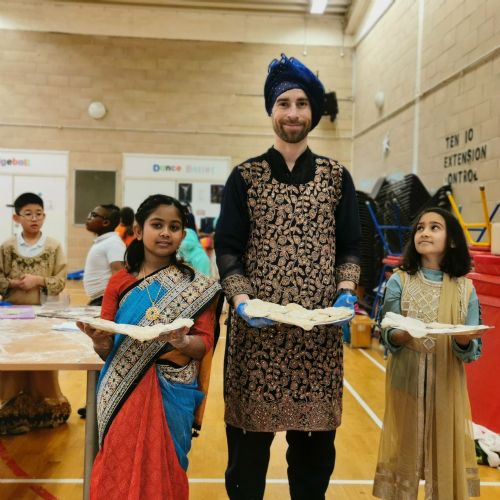
Our geography curriculum exposes pupils to a range of different countries across the world, including countries represented within our community and those that are not. Pupils become fully immersed within their India topic through Year Four's annual 'Indian Day' where pupils particularly from India are able to help with the celebration of this day.
History
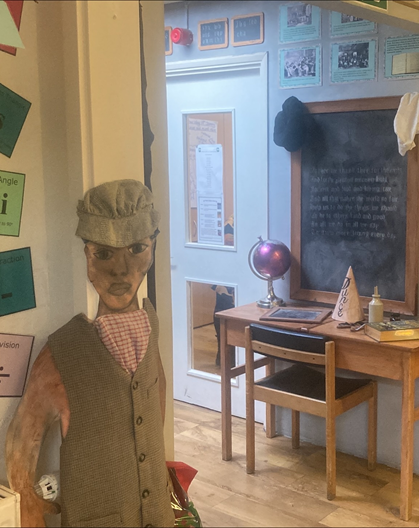
Our history curriculum not only focusses on the richness of British history, including the role played by women within our own local history, but also covers other cultures and communities such as ancient Islamic civilisations, enuring our Muslim pupils see themselves reflected within the curriculum. Our history displays seen around the school also cover ethnic diversity, for example within the Victorians. Our historical sources used within the classroom also reflects this diversity. Year Five also enjoy Baghdad day where the culture and history of present day Iraq and the Middle East is celebrated. This links to their literacy book 'The boy at the back of the classroom.'
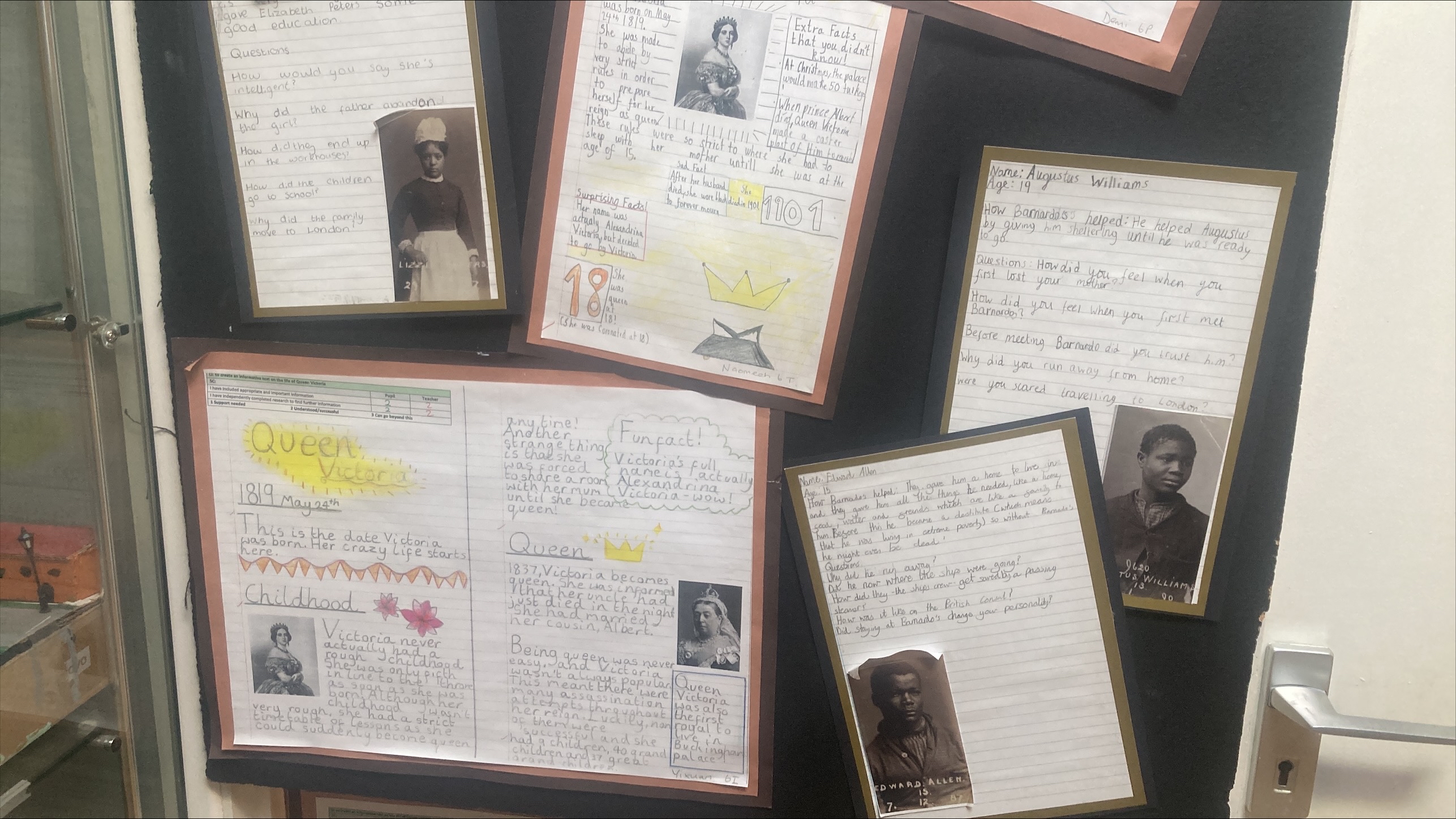
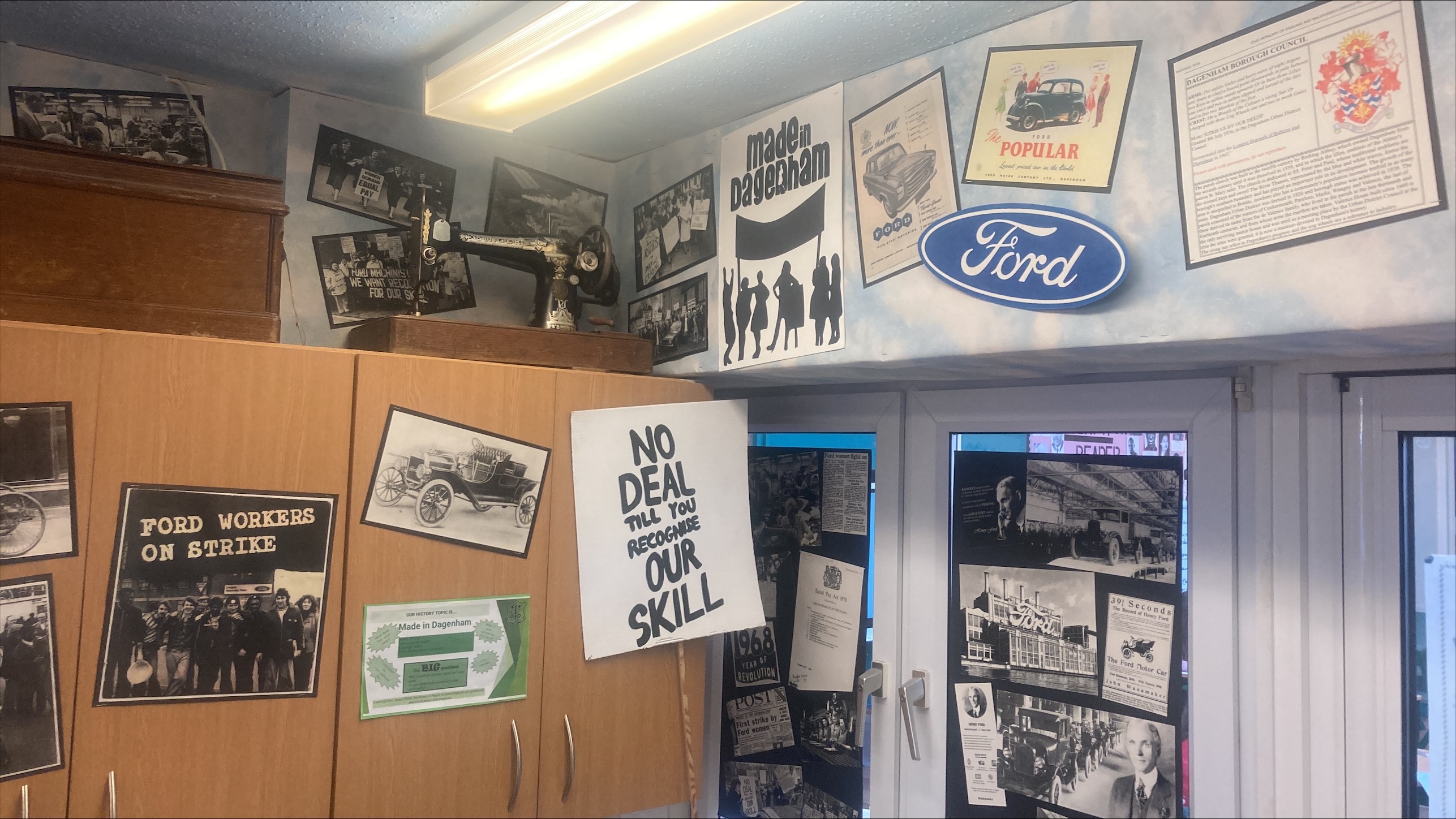
SKills progression
Religious Education
|
Learn about and understand |
Prior Skills |
Year 3 |
Year 4 |
Year 5 |
Year 6 |
Future Skills |
|
To be able to recall, name, retell and suggest meanings for beliefs and practises of religions and other cultural practises.
To be able to observe, recount, find out about, respond to and begin to express ideas on how religions and other world views influence mortality, identity and diversity |
To be able to recognise, retell and make links along with observing similarities and differences with the beliefs and practises of religions and other cultural practises.
To be able to discover more and express more ideas, to discover and respond to and express ideas on how religions and other world views influence mortality, identity and diversity. |
To be able to describe, make links, show an understanding and explore the similarities and differences of beliefs and practises of religions and other cultural practises.
To be able to explain and give reasons, express opinions, discover and explain ideas on how religions and other world views influence mortality, identity and diversity. |
To be able to identify and make connections, reflect and find meanings, and explain and understand similarities and differences with the beliefs and practises of religions and other cultural practises.
To be able to identify and explain, investigate and apply ideas, discuss and give expels of how religions and other world views influence mortality, identity and diversity
|
To be able to compare and contrast and give considered response towards the beliefs and practices of religions and other cultural practises.
To be able to explain a range of opinions and give reasons, summarise and apply a range of ideas, and weigh up different viewpoints on how religions and other world views influence mortality, identity and diversity.
|
Link to SACRE:
Explain and interpret ways that the history and culture of religions and worldviews influence individuals and communities, including a wide range of beliefs and practices, in order to appraise reasons why some people support and others question these influences.
Explain and interpret a range of beliefs, teachings and sources of wisdom and authority in order to understand religions and worldviews as coherent systems or ways of seeing the world.
Explain how and why, individuals and communities, express meanings in their beliefs and values.
|
|
|
Link to SACRE:
Recall and name different beliefs and practices, including festivals, worship, rituals and ways of life, in order to find out about the meanings behind them.
Retell and suggest meanings to some religious and moral stories, exploring and discussing sacred writings and sources of wisdom and recognising the communities from which they come.
Recognise some symbols and actions which express a community’s way of life, appreciating some similarities between communities.
|
Link to SACRE:
Describe and make connections between different features of the religions and worldviews they study, discovering more about celebrations, worship, pilgrimages and the rituals that mark important points in life, in order to reflect on their ideas.
Describe and understand links between stories and other aspects of the communities they are investigating, responding thoughtfully to a range of sources of wisdom and to beliefs and teachings that arise from different communities.
Explore and describe a range of beliefs, symbols and actions so that they can understand different ways of life and ways of expressing meaning.
|
|||||
|
Gain and deploy skills |
Prior Skills |
Year 3 |
Year 4 |
Year 5 |
Year 6 |
Future Skills |
|
To be able to ask and respond to questions, explore questions, express ideas, recognise similarities and differences regarding how religions and world views address questions of meaning, purpose and value. |
To be able to observe, express their own ideas, observe and respond thoughtfully towards religions and world views address questions of meaning, purpose and value. |
To be able to explain and give reasons, present ideas, reflect and give examples of how religions and world views address questions of meaning, purpose and value. |
To be able to identify and explain, apply, reflect and suggest reasons for how religions and world views address questions of meaning, purpose and value. |
To be able to explain a range of opinions and give reasons, summarise and apply a range of ideas and weigh up different points of view on how religions and world views address questions of meaning, purpose and value. |
|
|
|
Link to SACRE:
Explore questions about belonging, meaning and truth so that they can express their own ideas and opinions in response using words, music, art or poetry.
Find out about and respond with ideas to examples of cooperation between people who are different.
Find out about questions of right and wrong and begin to express their ideas and opinions in responses. |
Link to SACRE:
Discuss and present their own and others’ views on challenging questions about belonging, meaning, purpose and truth, applying ideas of their own thoughtfully in different forms including reasoning, music, art or poetry.
Consider and apply ideas about ways in which diverse communities can live together for the wellbeing of all, responding thoughtfully to community, values and respect.
Discuss and apply their own and others’ ideas about ethical questions, including ideas about what is right and wrong, what is just and fair, and express their own clearly in response. |
Link to SACRE:
Explore some ultimate questions that are raised by human life in ways that are well-informed and invite reasoned personal responses, expressing insights that draw on a wide range of examples including the arts, media and philosophy.
Examine and evaluate issues about community cohesion and respect for all in light of different perspectives from varied worldviews and religions.
Explore and express insights into significant moral and ethical questions posed by being human in ways that are well informed and which invite personal response, using reasoning, drawing from real life, fiction and other forms of media. |
||||
History
|
Chronological Understanding |
Prior Skills |
Year 3 |
Year 4 |
Year 5 |
Year 6 |
Future Skills |
|
To consider time as an idea and understand that it can be measured in units, especially years.
To use terms to indicate simple chronology - before, after, then.
To make comparisons between objects across different time periods (planes, means of travel).
To look at a small number of events in order through a timeline, firstly through living memory and then historically.
To understand that places look different over time.
|
To consider time over thousands of years. |
To consider time over thousands of years in terms of British and world history.
|
To consider time over hundreds of years.
|
To consider time over one era, deeply considering how events affect each other.
|
To know and understand the history of these islands as a coherent, chronological narrative, from the earliest times to the present day: how people’s lives have shaped this nation and how Britain has influenced and been influenced by the wider world.
To know and understand significant aspects of the history of the wider world: the nature of ancient civilisations; the expansion and dissolution of empires; characteristic features of past non-European societies; achievements and follies of mankind.
To gain and deploy a historically grounded understanding of abstract terms such as ‘empire’, ‘civilisation’, ‘parliament’ and ‘peasantry’.
|
|
|
To put different civilisations in order chronologically.
|
To put different periods in order chronologically.
|
To put different civilisations in order chronologically recognising that even disparate and separate cultures overlap with each other.
|
To put different civilisations in order chronologically, considering the complex and interwoven nature of modern history.
|
|||
|
To use timelines to consider the order of events.
|
To use timelines to consider the order of events and to gain an understanding of the order of events in Britain.
|
To use timelines to understand the order of events in Britain and to begin to compare that to the wider world. |
To continue to use timelines to understand the order of events in Britain and to compare that to the wider world. |
|||
|
To understand the term era and period. |
To understand that places look different over time and consider the reasons for the change. |
To understand that different parts of the world developed at different rates.
To use the term ‘approximately’. |
To use all of the previous chronological terms mentioned successfully.
|
|||
|
To put events (in the form of eras and civilisations) in order and compare the length of time they last for.
|
To put events in order, using BC and understanding that those years work similarly to negative numbers.
|
To order significant events within the eras studied.
|
To order complex political events and consider the reason for their order. |
|||
|
To use the terms BC and AD and to introduce the terms BCE and CE.
|
To use the terms: BC, AD, BCE, CE centuries and decades. |
To continue to use the terms: BC, AD, BCE, CE centuries and decades. |
To confidently use the terms: BC, AD, BCE, CE centuries and decades. |
|
Continuity and Change |
Prior Skills |
Year 3 |
Year 4 |
Year 5 |
Year 6 |
Future Skills |
|
To recognise that certain things change over time thanks to new improvements.
To use a timeline to see how the world has changed in one area.
To see that people’s needs and wants have stayed the same over time.
To consider how people’s experiences have changed over time.
To compare their life to the life of someone in the past.
|
To use a timeline to consider the enormous changes that humans take part in throughout time (progression of humans). |
To realise that change is sometimes caused by groups of people meeting each other.
|
To realise that change is something that happens at different speeds for different groups of people.
|
To consider whether change is something that affects everyone during a time period and how people’s lives will change due to experiencing change.
|
To understand historical concepts such as continuity and change, cause and consequence, similarity, difference and significance, and use them to make connections, draw contrasts, analyse trends, frame historically valid questions and create their own structured accounts, including written narratives and analyses. |
|
|
To consider that some aspects of past civilisations have continued to the modern day. |
To use a timeline to consider changes that have happened to Britain over a period of time. |
To analyse whether particular events and key figures/groups have left a mark on today and managed to change our present. |
To study an area in detail, reflecting on whether a key group succeeded in changing the world and how they interacted with the world.
|
|||
|
To look at the considerable differences that were present in the past. |
To consider whether Britain has changed over time, reflecting on the cultures that have influenced the present day.
|
To consider whether changes during a time period are positive or negative.
|
To consider how much a country can change during a single time period and whether changes are positive or negative. |
|||
|
To recognise that time periods constantly change and are rarely settled due to a variety of factors.
|
To consider which parts of our present were created by others in the past. |
|
|
|
Cause and Consequence |
Prior Skills |
Year 3 |
Year 4 |
Year 5 |
Year 6 |
Future Skills |
|
To spot simple actions that have caused something else to happen.
To recognise the idea that people’s actions can change what happens in the future.
To study how a famous person of the past and the present can change things in their time.
|
To consider how a person’s actions can change the past and influence the present.
|
To continue to understand and explore the idea that multiple factors are often required for an event to happen.
|
To explore the idea that there are always multiple reasons that cause an event to happen (push and pull factors).
|
To consider the impact and relevance of multiple factors in starting an event. |
To understand historical concepts such as continuity and change, cause and consequence, similarity, difference and significance, and use them to make connections, draw contrasts, analyse trends, frame historically valid questions and create their own structured accounts, including written narratives and analyses. |
|
|
To understand and use the term legacy in reference to a long-lasting effect on the world.
|
To understand what caused events to happen at particular times and analyse the effect that had on the world (battles and the time and place they occurred).
|
To consider the concept that an action can have several outcomes.
|
To attempt to consider many factors that could have caused an event, weighing up their value and contribution.
|
|||
|
To recognise and understand that an action in the past can massively impact the world for generations.
|
To evaluate factors and consider the importance of different factors. |
To evaluate factors and prioritise them based on significance in causing an event.
To understand the idea that events have consequences over a massive period of time. |
To understand that events have consequences over large periods of time and can consider future impact.
|
|||
|
To understand that something can happen due to more than one factor.
|
To agree or disagree with a statement regarding the importance of a factor.
|
To create a statement regarding the importance of factors.
|
To create balanced arguments weighing up the significance of various factors.
|
|
Historical Interpretation |
Prior Skills |
Year 3 |
Year 4 |
Year 5 |
Year 6 |
Future Skills |
|
Children to look at a person in detail, considering what we know about them.
Children to look at objects and images to learn about the people of the past.
Children to use language, such as ‘maybe’ or ‘perhaps’ to speculate about the past and how people lived. Some children may consider the validity of sources to recount accurate information about the past.
|
Children to consider how we learn history – what have we found that tells us about the past? |
Children to consider how we learn history – where does the information we know today come from?
|
Children to consider the idea of how we learn information and why events and people are viewed in specific ways. |
Children to ask the question ‘how do we know?’, actively questioning information they are told and considering historical bias.
|
To understand the methods of historical enquiry, including how evidence is used rigorously to make historical claims, and discern how and why contrasting arguments and interpretations of the past have been constructed. |
|
|
Children reflect on objects found in the past to tell them about the people from that period (Ancient Egypt, Ancient Greece). |
Children discover what a historical bias is and contemplate why people write from certain perspectives. |
Children to analyse people and their actions, considering whether they are viewed correctly in the modern day. |
Children to analyse pictures and sources around events, people and places, using them to help build a narrative when combined with pre-existing knowledge. |
|||
|
Children reflect on what we know about a time period and how we know it. |
Children to use artefacts as evidence, considering what an object tells us about a time period and using that information to cross-reference their original knowledge. |
Children to cross-reference information given and opinions from the time to find the truth about an event/person. |
Children use phrases such as ‘evidence suggests’ and ‘I believe that’ to propose their thoughts, cross-referencing information where possible. |
|
Organisation and Communication |
Prior Skills |
Year 3 |
Year 4 |
Year 5 |
Year 6 |
Future Skills |
|
To present information clearly in workbooks. |
To present information clearly in workbooks. |
To present information clearly in workbooks. |
To present information in a clear way in workbooks. |
To present information in a clear and structured way in workbooks.
|
|
|
|
To create a short piece of writing, explaining how a concept has changed over time. |
To produce writing of developing length that focus on explaining their knowledge about a time period. |
To produce writing at greater length that argues one side of an argument.
|
To create detailed writing at greater length that weighs up several factors before choosing one. |
To create lengthy and detailed essays that fully explore both sides of an argument. |
||
|
To use subject-specific vocabulary with a word bank provided for spelling. |
To begin to write using some subject-specific vocabulary independently.
|
To begin to write using more unit specific vocabulary: empire, peace treaty, pagans. |
To correctly use dates, terms and vocabulary accurately with a developing sophistication.
|
To correctly use dates, terms and vocabulary with confidence and accuracy. |
Geography
|
Locational and Place Knowledge |
Prior Skills |
Year 3 |
Year 4 |
Year 5 |
Year 6 |
Future Skills |
|
To name and locate the world’s seven continents and five oceans.
To name, locate and identify characteristics of the four countries and capital cities of the United Kingdom and its surrounding sea.
To understand geographical similarities and differences through studying the human and physical geography of a small area of the United Kingdom, and of a small area in a contrasting non-European country |
To understand and use terms such as country and know they are part of continents.
|
To investigate a country and make comparisons with the UK.
|
To investigate the UK and learn information about many more villages, towns and cities across the UK and the wider world.
|
To begin to see the world as a linked entity.
|
To extend their locational knowledge and deepen their spatial awareness of the world’s countries using maps of the world to focus on Africa, Russia, Asia (including China and India), and the Middle East, focusing on their environmental regions, including polar and hot deserts, key physical and human characteristics, countries and major cities.
To understand geographical similarities, differences and links between places through the study of human and physical geography of a region within Africa, and of a region within Asia |
|
|
To analyse countries and continents across the globe, focusing on their distribution of resources.
|
To analyse a country of their choosing in detail.
|
To analyse a country and begin to compare to the UK. |
To analyse and compare the UK and countries in another continent, focusing on their resources and landscape.
|
|||
|
To be able to name and locate continents on a map and to be able to name some countries in each continent.
|
To investigate a specific continent and to understand some of the relationships between countries.
|
To investigate a continent and its influence worldwide and to investigate a country in that continent in detail, comparing it to the UK and being able to name major physical and human geographical features.
|
To develop skills in investigating a continent and its influence worldwide and to investigate countries in that continent in detail, comparing it to the UK and being able to name major physical and human geographical features.
|
|||
|
To consider and use the term ‘capital city’ and understand there is usually one in each country. To understand that this is the seat of the country’s government.
|
To consolidate understanding of the term ‘capital city’ and understand there is usually one in each country. To gain a clear understanding that this is the seat of the country’s government and not necessarily the largest city.
|
To consolidate understanding of continent, country, capital city and to be able to use these in their written work. |
|
|||
|
To consider how physical features around the world are formed and the impact these have on populations that live nearby.
|
To study and recall several physical and human features of a country and to analyse the impact humans have on countries.
|
To study several major rivers around the world, explaining their significance, purpose and benefit to local inhabitants.
|
To study and recall several mountain ranges around the world including the Himalayas and to be able to explain how fold mountains are formed.
|
|||
|
To understand the key topographical features of specific areas. |
To be able to discuss the globe using the terms equator, hemisphere, tropic etc.
|
|
To go beyond typical stereotypes of countries and realise that different areas of one country can have different features.
|
|
Geographical Skills and Fieldwork |
Prior Skills |
Year 3 |
Year 4 |
Year 5 |
Year 6 |
Future Skills |
|
To use world maps, atlases and globes to identify the United Kingdom and its countries, as well as the countries, continents and oceans studied at this key stage.
To use simple compass directions (North, South, East and West) and locational and directional language [for example, near and far; left and right], to describe the location of features and routes on a map.
|
To look at geographical features and countries containing them using digital mapping and physical maps.
|
To look at world maps, European maps and country maps, focusing on geographical features such as cities, biomes and resources.
|
To talk about the world geographically using directional language.
|
To learn about the various types of maps that can be used and their purposes and to learn about and use the tools geographers use during fieldwork (field sketches, surveys, questionnaires etc).
|
To build on their knowledge of globes, maps and atlases and apply and develop this knowledge routinely in the classroom and in the field.
To interpret Ordnance Survey maps in the classroom and the field, including using grid references and scale, topographical and other thematic mapping, and aerial and satellite photographs.
To use Geographical Information Systems (GIS) to view, analyse and interpret places and data.
To use fieldwork in contrasting locations to collect, analyse and draw conclusions from geographical data, using multiple sources of increasingly complex information. |
|
Human and Physical Geography |
Prior Skills |
Year 3 |
Year 4 |
Year 5 |
Year 6 |
Future Skills |
|
To identify seasonal and daily weather patterns in the United Kingdom and the location of hot and cold areas of the world in relation to the Equator and the North and South Poles
To use basic geographical vocabulary to refer to:
Key physical features, including: beach, cliff, coast, forest, hill, mountain, sea, ocean, river, soil, valley, vegetation, season and weather
Key human features, including: city, town, village, factory, farm, house, office, port, harbour and shop |
To be able to explain the difference between human and physical geography and to be able to give examples of both types of features
|
To continue to expand their knowledge of weather and to study various climates.
|
To build on water cycle knowledge and new information to consider how rivers are formed. |
To consider how trade works across countries and analyse why people need to trade.
|
To understand, through the use of detailed place-based exemplars at a variety of scales, the key processes in:
- physical geography relating to: geological timescales and plate tectonics; rocks, weathering and soils; weather and climate, including the change in climate from the Ice Age to the present; and glaciation, hydrology and coasts
- human geography relating to: population and urbanisation; international development; economic activity in the primary, secondary, tertiary and quaternary sectors; and the use of natural resources to understand how human and physical processes interact to influence, and change landscapes, environments and the climate; and how human activity relies on effective functioning of natural systems. |
|
|
To consider and explain the causes of major natural disasters.
|
To continue to analyse human and physical geography and their importance |
To consider and explain how weather and rivers are important to the population, as well as the problems that they pose.
|
To analyse the reasons for globalisation and sharing resources. To explore how natural geographical landscapes can cause problems for people in their lifestyle and create solutions to overcome this.
|
|||
|
To understand and debate the positives and negatives of living in certain regions.
|
To compare settlements in other countries and the lifestyles of people living there.
|
To compare North American countries and the UK and the lifestyles of people living there.
|
To analyse the importance of resources in our world, debating their positives and negatives, particularly focusing on renewability.
|
|||
|
To begin to analyse and compare elements of human geography.
|
To name and identify key relevant biomes, understanding and explaining its key characteristics.
|
To identify key relevant biomes, understanding and explaining its key characteristics.
|
To continue to identify key relevant biomes, understanding and explaining its key characteristics.
|
|||
|
To understand the key human and physical features of coastal areas and the impact humans have on coastal areas.
|
To understand the human impact on a biome and the problems this poses.
|
To understand the human impact on rivers such as pollution. |
To debate and evaluate how population affects the planet today.
|
|||
|
To accurately use terms such as crust, mantle and evaporation with reference to volcanoes. |
To accurately use terms such as deforestation, canopy, tropical with reference to rainforests.
|
To accurately use geographical terms such as: erosion, deposition and sediment with reference to rivers.
|
To accurately use geographical terms such as range, death-zone, peak with reference to mountains. |
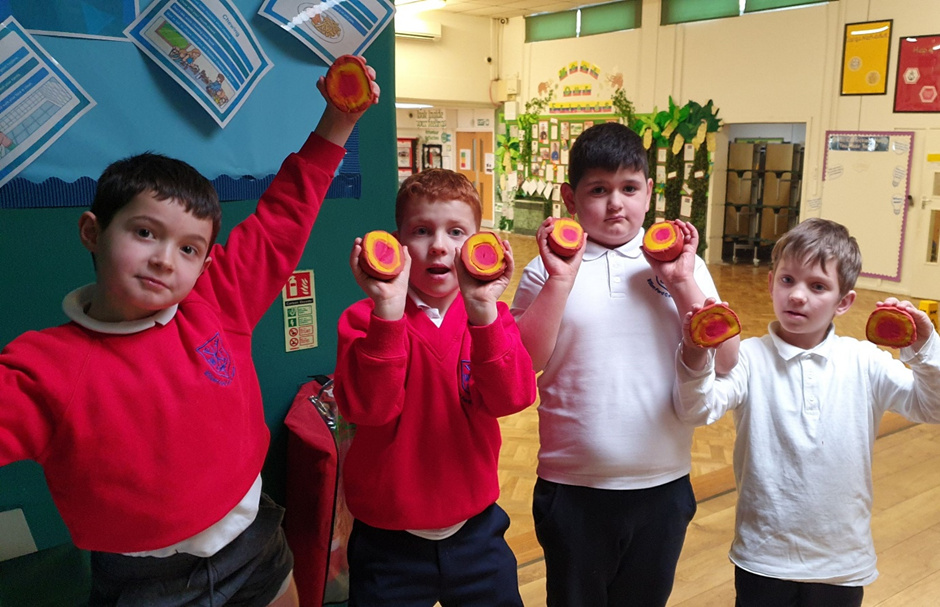
Our future geologists (showcasing knowledge of the planet without writing)